

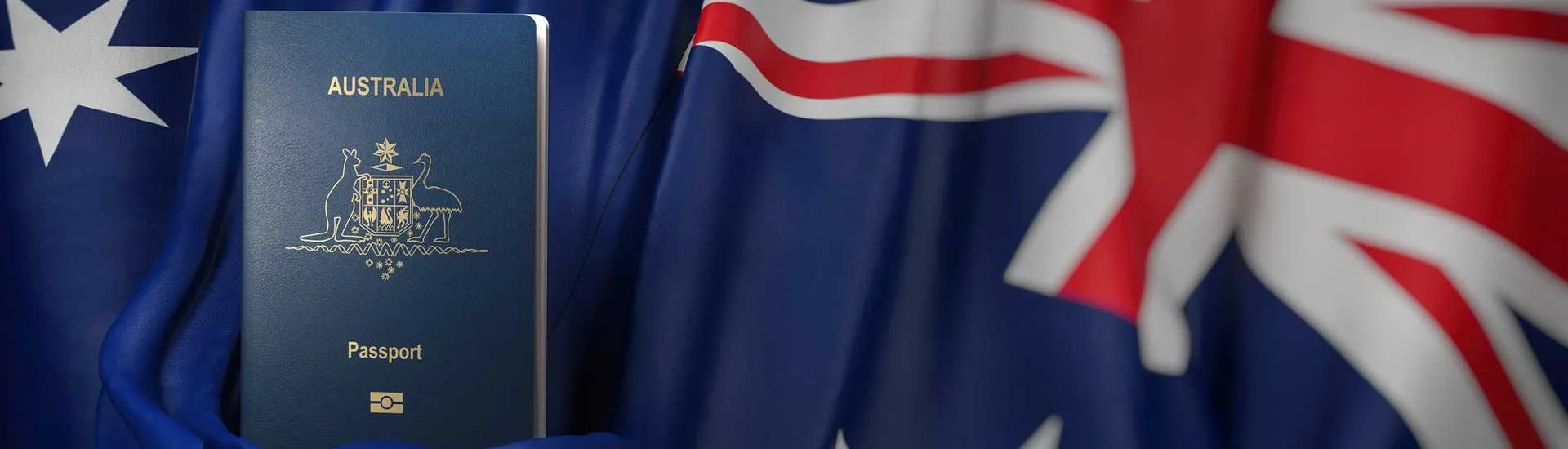
Receiving an offer from an Australian university often feels like crossing the finishing line of a long race.
It represents years of study, financial planning, and aspiration. Flights are discussed. Accommodation options are explored. The future begins to feel real.
But there is one stage that quietly determines whether everything proceeds as planned is the student visa for Australia.
This is where even capable students sometimes encounter unexpected setbacks.
Unlike university admissions, visa applications are not assessed on enthusiasm. They are assessed on regulatory compliance. Immigration officers evaluate intention, consistency, financial credibility, and long-term suitability. Even small inconsistencies can raise doubt.
At NB Visa World, widely recognised as the best student visa consultant in Ahmedabad, we consistently observe that refusals are rarely about academic capability. They are about presentation and structure.
Understanding that distinction changes everything.
Selecting the Appropriate Visa Type
Most international students apply under Subclass 500, the primary visa category for full-time academic study. This visa allows students to:
- Study at a CRICOS-registered institution
- Work limited hours during academic sessions
- Remain in Australia for the duration of the course
For students under 18 years of age, a parent or guardian may apply under Subclass 590 to manage welfare and accommodation.
Professionals undertaking structured workplace training may apply under Subclass 407.
Choosing the correct visa category is important. Presenting your profile correctly within that category is even more important.
If you want a deeper walkthrough of the timelines and enrollment nuances tied to upcoming intake caps and visa strategy, see our detailed guide: Times Ticking: Enrollment Caps for Australian Student Visa with NB Visa’s Expert Guidance.
Where Applications Usually Go Wrong
Many families believe that once an offer letter is secured and funds are arranged, the visa is a formality.
It isn’t.
Australian authorities examine whether the entire application is logically aligned:
- Does the chosen course connect with previous studies?
- Does the financial profile appear stable and transparent?
- Does the statement reflect genuine intent or feel templated?
- Are details consistent across all forms and documents?
Visa officers are trained to identify inconsistencies. Even minor gaps may affect the outcome.
For example, many applicants treat visa narratives casually or repeat generic explanations heard online. Strategic presentation matters. The mistakes seen in other visa categories, such as in our analysis on Reasons Why Your Canada Visa Could Get Rejecte,d show that immigration authorities prioritise clarity, credibility, and genuine alignment over volume of information.
The Genuine Student Requirement: The Core Test
The Genuine Student (GS) requirement is often the deciding factor in a student visa application.
Officers assess:
- Why this specific course
- Why this institution
- Why Australia instead of other countries
- Why not pursue similar studies in the home country
- What the student plans after graduation
This is not simply a written explanation. It is a structured narrative of intent.
Generic responses weaken credibility. Clear, logically worded explanations strengthen it.
Parents often ask why this section matters so much.
Because it connects education, finances, and long-term goals into one consistent story.
A Real Case That Shows the Difference
A postgraduate student from Ahmedabad approached us after her visa application was refused. She had strong academics, acceptable IELTS scores, and sufficient financial documentation.
Yet her visa was denied.
The reason? The officer was not satisfied with her academic progression logic and long-term career alignment.
Nothing was technically missing. Her presentation lacked clarity.
We worked with her to:
- Rebuild her academic progression narrative
- Explain how the selected course extended her previous studies
- Present a realistic post-study career plan
- Organise financial documentation for transparency
Her re-application was approved. It was a matter of structure.
Financial Documentation: Stability Matters More Than Balance
Many applicants believe that showing funds is sufficient. Immigration officers look deeper.
They assess:
- Source and authenticity of funds
- Stability of income
- Credibility of sponsorship
- Consistency of transactions
- Long-term sustainability of financial capability
Sudden large deposits or unclear sponsorship arrangements raise concerns. Unstable income history creates doubt.
Financial documentation should demonstrate continuity and clarity, not urgency.
For detailed documentation checklists and presentation tips, our Australia student visa documentation page offers practical steps.
The Parent Perspective
For parents, this process carries additional responsibility. Savings are allocated. Education loans may be arranged. Timelines are tight.
A visa refusal does not just delay academic plans. It disrupts emotional momentum and financial planning.
This is why strategic preparation is essential. When families approach the process calmly and with structured support, outcomes become far more predictable.
Other Issues That Are Often Overlooked
Beyond academics and finances, smaller factors may influence decisions:
- Expired or insufficient English test scores
- Overseas Student Health Cover (OSHC) that is not active
- Passport validity is shorter than the required duration
- Inconsistent information across forms
- Previous visa refusals were not adequately documented or explained
These may appear minor, but they can affect results.
What If a Visa Is Refused?
Students can appeal to the Administrative Appeals Tribunal (AAT) within 28 days. However:
- Appeals involve additional fees
- Processing timelines extend significantly
- Approval is not guaranteed
Appeals should be a last resort, not a strategy.
A well-prepared first application is always the stronger option.
Why Families Choose NB Visa World
Many agencies process applications. Few evaluate risk.
At NB Visa World, we treat every student visa for Australia case as a comprehensive profile assessment, not merely a form submission.
Before filing, we:
- Review academic progression logic
- Evaluate course alignment
- Audit financial documentation
- Structure the Genuine Student narrative
- Identify and address potential red flags
- Set realistic expectations for families
That is why many families describe NB Visa World as the best student visa consultant in Ahmedabad when they want clarity instead of guesswork.
This is not simply an application. It is a long-term investment in a future opportunity.
A Considered Next Step
If you are planning to apply for a student visa for Australia, pause before submitting your documents.
Ask yourself:
- Does my application tell one consistent, credible story?
- Would an immigration officer clearly understand my long-term intent?
- Are my finances presented transparently and honestly?
- Have potential gaps been addressed proactively?
If there is any uncertainty, speak with NB Visa World before filing. A structured consultation today can prevent months of delay tomorrow.
When compliance determines your future, preparation is not optional. It was not a question of eligibility. At NB Visa World, we review your case holistically. From course alignment and Genuine Student positioning to financial documentation clarity and risk identification, everything is considered. A structured consultation before filing can significantly reduce avoidable delays and refusal risks.
If you would like your profile assessed professionally before taking the next step, connect with our team here.
Frequently Asked Questions
How long does it take to process an Australian student visa?
Processing times vary based on profile strength and visa stream. Some applications are processed in weeks, while more complex cases may take longer.
Are students allowed to work while studying in Australia?
Yes. Subclass 500 visa holders are permitted to work a limited number of hours during academic sessions and full-time during scheduled breaks.
What is the most common reason for refusal?
Weak explanations under the Genuine Student requirement and irregular financial documentation are among the leading causes of refusal.
Can a student reapply after refusal?
Yes. A subsequent application should directly address the previous refusal reasons with clearer documentation and stronger narrative alignment.
Latest Posts




Contact Us