Two US Visa Refusals. What Changed on the Third Application?
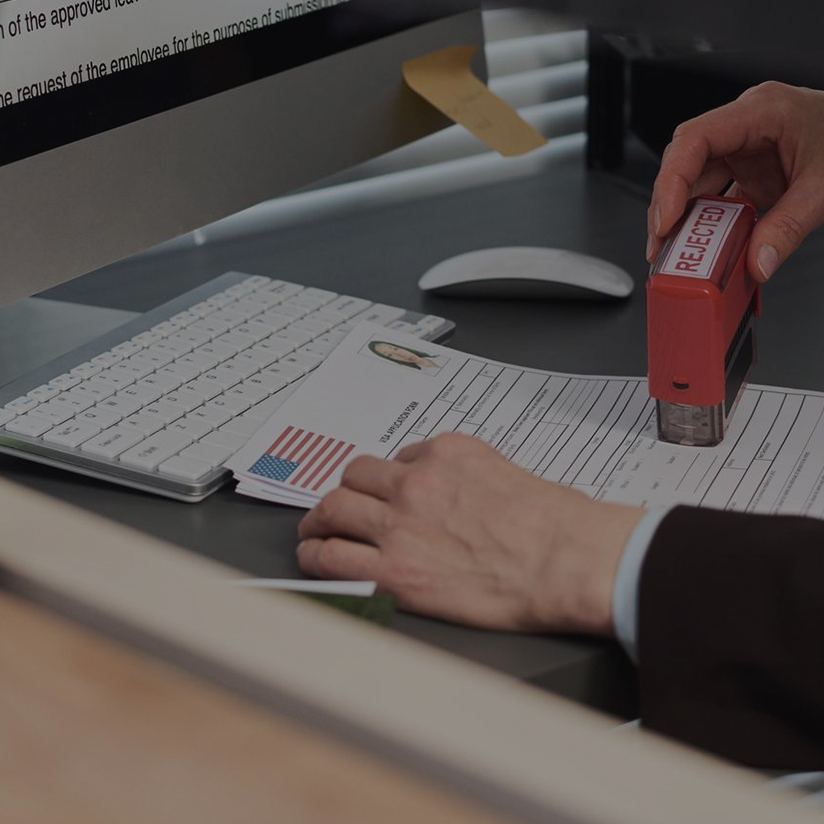
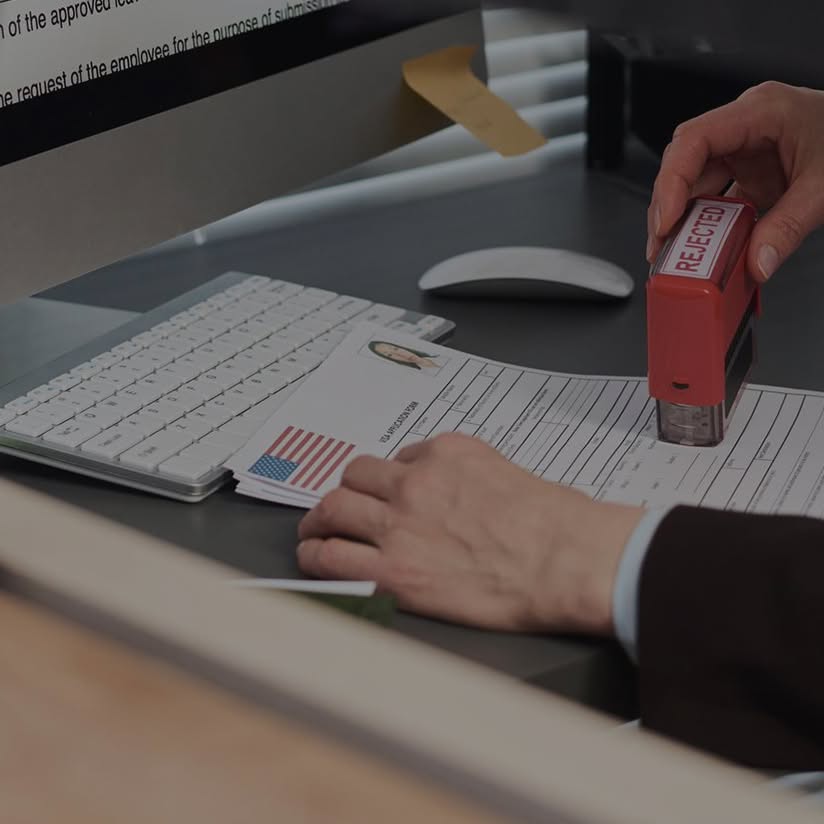
U.S. visitor visa refusals are not uncommon. In 2025, India’s adjusted B-1/B-2 refusal rate stood at 22.04%, compared with 16.32% in the previous year. Over three decades as US visa consultants in Ahmedabad, we have observed many US visa refusals and the different factors that can lead to them. A recent case handled by our team presented exactly this challenge, requiring us to look beyond the paperwork and assess the application as a complete case.
Here is what the applicant’s US visa refusal situation looked like before approaching NB Visa World and what led to the decision to take a different approach for the next application.
What Was the Client’s Situation Before Approaching NB Visa World?
An Ahmedabad-based applicant approached the U.S. B-2 visitor visa process with the intention of making a short visit to the United States. Despite having an established professional
base in India and submitting the required DS-160 and supporting documentation, his first application was refused following the consular interview.
In an attempt to strengthen the subsequent submission, the applicant refiled with additional financial and professional documentation and an updated application reflecting his circumstances at that stage. The second application, however, was also refused. The case had therefore progressed through two separate applications and two consular interviews without addressing the underlying concerns affecting the visa assessment.
With two US visa refusals already on record, the next application required a more targeted approach to the case itself.
Why Were the First Two U.S. Visa Applications Refused?
The applicant’s previous two U.S. visa applications were reviewed, including the DS-160 details, supporting documents, and interview responses, to identify where the case had fallen short, and these are the circumstances noted by our experts:
The travel purpose was not sufficiently established as temporary, which matters because B-2 applicants must demonstrate that their proposed visit qualifies as temporary visitor travel.
The applicant’s ties to India did not sufficiently overcome the presumption of immigrant intent under INA 214(b), with factors such as employment, home, family relationships, and overall circumstances considered by the consular officer.
The financial documents did not, by themselves, establish US visa eligibility, because the assessment considers financial resources alongside travel plans, circumstances, and ties outside the U.S.
The next U.S. visa reapplication relied on additional documentation without sufficiently addressing the underlying concerns, whereas a 214(b) reapplication is expected to bring additional relevant information or significant changes in circumstances.
The DS-160 and interview presentation needed to work as one consistent case, since consular officers use the DS-160 information together with the personal interview to determine nonimmigrant visa eligibility
The Approach Behind the Successful Reapplication
Once the gaps were identified, experienced visa consultants at NB Visa World meticulously reworked the third application around the applicant’s specific profile and visa requirements. Here’s how it went:
We reviewed eligibility under current B-2 visitor visa requirements and INA 214(b) to understand what the application must show about temporary intent and ties outside the U.S.
Prior to preparing the new DS-160, the applicant’s previous DS-160s were cross-checked against the applicant’s current profile, including travel history, business information, U.S. contacts, and previous refusal information.
The document set was reconstructed around relevant evidence. Financial and business documentation was selected to support particular aspects of the applicant’s case, rather than simply adding more paperwork.
The proposed itinerary was reviewed against the stated purpose of travel, ensuring that the duration and planned activities were reasonable for the applicant’s circumstances.
The two previous US Visa refusals were factored into the third application strategy, rather than treating the new submission as an independent first-time case.
The final interview preparation was based on the completed application, focusing on potential questions around the previous refusals, travel purpose, business, and return plans.
Identifying what went wrong is critical before making another visa attempt. Our guide on reapplying after a visa rejection explains the key factors to assess before submitting a new application.
Prepare Next U.S. Visa Application with Confidence
Every U.S. visa application requires careful preparation based on your individual circumstances. At NB Visa World, we review your travel purpose, supporting documents, DS-160, previous visa history where relevant, and interview requirements to identify what your application needs. Our team builds the application around your specific case rather than relying on a standard checklist. If a U.S. visit is on your plans, connect with our experts about your visa application and take the process forward with certainty.